
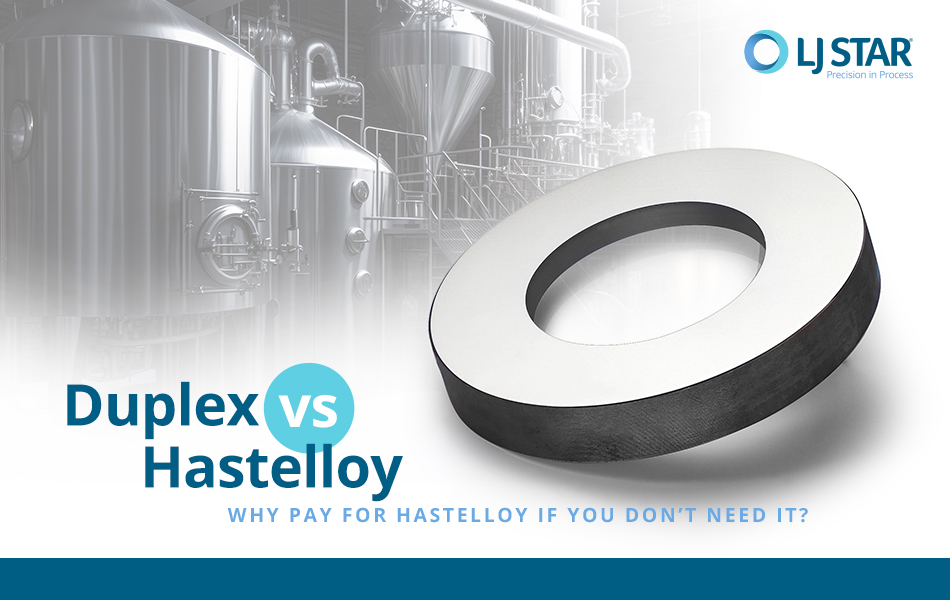
Sight glasses are available in a variety of stainless steel grades plus specialty alloys. It’s important to select a sight glass constructed of the right material for the application. Get it wrong, and the metal may experience pitting and corrosion. On the other hand, overspecifying material drives up cost unnecessarily.
Technically not a stainless steel, Hastelloy is a nickel alloy built for the most punishing chemistry a plant can throw at it. For most process observation work, it is far more material than the application requires, and you pay for that unused capability. In contrast, a sight glass made of Duplex 2205 stainless steel handles the corrosive conditions the vast majority of sight glass installations see, at a fraction of the cost. Knowing where the real dividing line sits keeps money in your budget without putting your process at risk.
The myth that we encounter in the field
Often, the assumption is that aggressive service means Hastelloy. It is a common shortcut, and it is usually wrong. Genuinely needing Hastelloy is rare. It fits a specific corner of the chemical world: hot reducing acids like hydrochloric and sulfuric, wet chlorine and fluctuating media where an ordinary stainless steel would be badly corroded. Outside that corner, you are buying insurance against a threat your process does not have.
What each material brings
Hastelloy C-276 is a nickel-based alloy, roughly 57 percent nickel with heavy doses of molybdenum and chromium. That chemistry lets it shrug off both oxidizing and reducing attack at once, which almost nothing else does. Its pitting resistance runs very high.
Duplex 2205 is a stainless steel with a roughly balanced austenite and ferrite structure, about 22 percent chromium with molybdenum and nitrogen added. It carries close to double the yield strength of standard austenitic grades and strong resistance to chloride pitting, crevice corrosion and stress corrosion cracking. For corrosive but not extreme service, it is more than enough.
Why Hastelloy costs more
The price gap is not just the raw metal, though that alone is significant. Hastelloy can run several times the cost of Duplex per pound. On top of that, it is rarely stocked, so lead times stretch while it is sourced or made to order. Then it reaches the shop, where it is tougher and slower to machine than Duplex. Because a fused sight glass ring is machined in-house, those extra hours land directly in your final quote. Material, delivery and labor all move in the wrong direction at the same time.
Why this comes up for sight glasses
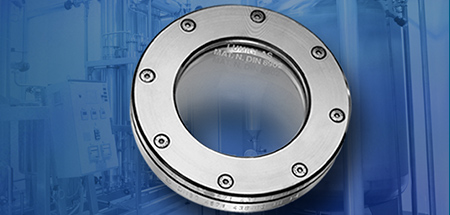
The comparison exists in this category for a simple reason. LJ Star offers METAGLAS® sight glass windows made from Duplex 2205, while a competing fused sight glass is made in Hastelloy. Put the two quotes side by side and it is tempting to read the pricier alloy as the safer one. In the applications most buyers are specifying, it is not.
Watch the material line on any quote before you sign it. Some suppliers name one grade, then reserve the right to substitute a higher alloy at their own discretion, which can quietly push you into Hastelloy you never asked for or needed. Ask for the material to be named and documented. LJ Star provides third-party documentation of material and performance on request, so what you specified is what you get.
When Hastelloy is the right answer
None of this means Hastelloy is a mistake. Hastelloy is the right choice when aggressive chemicals, high chlorides or elevated temperatures push stainless steel beyond its reliable corrosion-resistance limits. LJ Star offers sight glasses in Hastelloy, Inconel® and Monel® for exactly those cases. The point is to reach for it because your process demands it.
If you are not sure which side of the line your application falls on, that is a five-minute conversation with an LJ Star Application Expert. Contact us before your sight glass material turns into an unnecessary cost adder.
Hastelloy, Iconel and Monel are trademarks of their respective owners.

Subscribe to our Blog
Categories
Certifications
Company
Goetze Safety Relief Valves
In The News
Industry Information
METAGLAS® Sight Glasses
PackExpo 2020
Sanitary Clamps
Sanitary Fittings
Sight Flow Indicator Benefits
Sight Glass Applications
Sight Glass Construction
Sight Glass Lighting
Sight Glass Lights
Sight Glass Process Vessel Camera
Sight Glasses
Trade Shows
Webcast