
The human eye is a marvelous organ, containing more than 60 distinct cell types that work synergistically to act as our window to the world. However, the eye is only as effective as a clear vision path will allow.
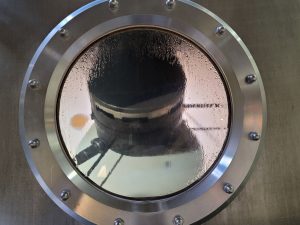
In industrial applications, a closed pressure vessel, reactor, or chemical process line obstructs this vision path. A sight glass observation port or a complete process optimization system that includes wipers, cameras and lighting gives experienced observers a window into processes that can help improve product quality and output. A process observation port helps staff measure product levels, confirm completion of chemical reactions, or determine whether cleaning fluids have properly drained after CIP procedures.
When designing systems, engineering firms might overlook the visual part of their process systems. However, component selection is particularly important in high-pressure or corrosive environments, where fulfilling proper specifications can mean the difference between a sudden, violent failure that can injure people, damage equipment and disrupt production, or a smooth running process. Engineers responsible for uptime, compliance and employee safety need to design a reliable process observation system from the start.
The following foundational principles will help guide smarter decisions about material selection for systems, sealing and accessory specifications.
How Sight Glasses Fail Under High Pressure and Thermal Stress
Improperly specified, installed or maintained sight glasses can represent the weakest link in a processing system. The wrong glass or materials will limit observation, require extra maintenance and replacements, and even fail under pressure.
The most common failure modes fall into a few predictable categories.
- Thermal shock: when equipment operating at high temperatures is suddenly exposed to cool fluid
- Excess pressure: exceeding a sight glass rated capacity can cause sudden fracture
- Corrosion: acidic or alkaline media degrades glass over time, making it increasingly susceptible to cracking
- Poor installation practice: introduces invisible microscopic faults that compromise structural integrity long before a visible crack appears, often caused by
- uneven bolt torque
- reusing glass that has already been stressed
- mismatched gasket materials
Interactive Infographic
Selecting The Right Sight Glass
8 Essential Questions You Should Ask
View InfographicWhy Material Selection Is Everything
Not all sight glass materials perform equally under demanding conditions, and selecting the wrong type is one of the most common and costly mistakes engineers make.
Temperature determines your baseline. Soda glass is suitable below 300°F. Borosilicate glass handles temperatures up to 500°F and offers superior resistance to thermal shock, making it the right choice wherever rapid temperature changes occur. Above 500°F, quartz or sapphire glass is required.
Process chemistry matters just as much. Soda lime glass degrades ten times faster than borosilicate under acidic or alkaline conditions. For corrosive applications, borosilicate is the minimum standard, not a premium upgrade.
The same discipline extends to the housing. 316 stainless steel is the standard for sight glass bodies, though duplex stainless-steel formulations — like those used in our METAGLAS® windows — offer superior corrosion resistance for the most demanding environments.
The Case for Fused Metal-to-Glass Sealing Systems
Safety is won or lost in demanding applications, through the metal to glass interface. Traditional assemblies use gaskets to seal the glass disc against its housing. This introduces variability through degradation, uneven compression and media incompatibility.
Fused sight glasses eliminate that variability. METAGLAS is formed by melting glass directly inside a circular metal frame. As the glass cools, the difference in thermal expansion between glass and metal creates uniform compressive stress throughout the glass. Prestressed concrete takes advantage of this same principle, with compressive loading counteracting the tensile forces that cause fracture.
This process creates an observation window that virtually eliminates sudden, unexpected ruptures. The rigid metal frame also reduces the possible breakage from uneven bolt torque during installation, a potential outcome that destroys conventional glass discs. When installation stresses are absorbed by the frame rather than the glass, METAGLAS windows can be removed, inspected and reinstalled without compromising integrity, offering a significant lifecycle cost advantage over alternatives.
Designing for Long-Term Reliability
The goal is a system that performs predictably for years, not one that simply clears initial installation.
Specify for your worst-case condition, not your average operating condition. Pressure spikes, thermal excursions and pH swings happen. Your sight glass must handle them without incident.
Gasket compatibility deserves equal attention. Even with high-quality borosilicate glass, the wrong gasket material can introduce chemical incompatibility or leak pathways. Select gaskets based on your specific process media and operating temperature and determine whether gaskets that came with the assembly meet those specs.
Finally, consult applicable standards. DIN 7079 is the benchmark for evaluating whether a sight glass can withstand high temperatures, high pressure and corrosive chemicals — and the standard against which fused products like METAGLAS are measured and certified.
Specifying Lights and Cameras in Hazardous Environments
Illumination adds extra value to a well specified sight glass, lighting dark vessel interiors for more complete inspection. Lighting and camera selection present their own safety implications when flammable gases, vapors or combustible dust are present.
Explosion-proof lights are environmentally sealed and designed to operate without producing a spark that could ignite a hazardous atmosphere. This requirement applies across oil and gas, chemical processing, pharmaceutical, power generation and many food and beverage facilities. Look for products certified to UL or ATEX standards for your specific zone classification. Lumiglas® LED lights offer UL and ATEX certification and are available in stainless or aluminum housing with a variety of mounting options.
For continuous monitoring, explosion-proof cameras extend the safety benefit further, enabling remote monitoring to keep personnel a safe distance from hazardous conditions. Modern options offer UL- or ATEX-certified resolution with Power-over-Ethernet (PoE) connectivity, making remote process monitoring practical without sacrificing image quality.
The Bottom Line
Process observation systems deserve the same engineering rigor as any other critical component in a high-pressure or corrosive application. The sight glass is not a commodity item, but a pressure boundary element with direct safety implications. Specifying the right glass type, the right sealing system, the right housing material and the right lighting and camera configuration for your specific process conditions is the difference between an optimized system that performs reliably for years and one that becomes a recurring source of unplanned downtime, safety incidents and costly replacements.
When in doubt, consult with a process observation specialist who can evaluate your application parameters and help you specify a complete system built for long-term performance and not just initial installation.
Frequently Asked Questions
Can a sight glass be reused after removal for cleaning or maintenance?
A sight glass can be reused after removal for cleaning or maintenance depending on the type of sight glass and its construction. Conventional glass disc sight glasses should never be reused after removal; the stress of installation creates microscopic faults that compromise structural integrity even when no damage is visible. METAGLAS, however, can be cleaned, inspected and returned to service, eliminating a potential source of extended downtime. Its metal ring absorbs the compressive forces of mounting, leaving the glass itself unaffected through multiple service cycles.
How do I know if my sight glass needs to be replaced?
You can determine whether your sight glass needs to be replaced through regular maintenance checks. Your maintenance procedure should include checking the sight window for signs of damage or wear, such as scratches, etching or clouding. Using a concentrated light at a 45° angle to the surface helps detect problems, as damaged areas will appear brighter than the surrounding surface. If leaks are detected, remove the unit from service immediately. Any damage discovered during inspection means the sight glass is weaker and more susceptible to breakage. Replace it rather than return it to service.
What makes a sight glass “explosion-proof,” and do I need one?
Explosion-proof or components rated for use in a facility with flammable gases, vapors or combustible dust should carry an ATEX rating. These types of conditions, a flammable or combustible environment, preclude use of standard lighting and camera accessories due to safety reasons. Explosion-proof lights for example, are environmentally sealed and designed to operate without producing a spark that might ignite an explosive environment. Industries that require this attention to ATEX rated components would include oil and gas, chemical processing, pharmaceutical, power generation, and food and beverage manufacturing. Look for products certified to UL or ATEX standards for your specific zone classification.

Subscribe to our Blog
Categories
Certifications
Company
Goetze Safety Relief Valves
In The News
Industry Information
METAGLAS® Sight Glasses
PackExpo 2020
Sanitary Clamps
Sanitary Fittings
Sight Flow Indicator Benefits
Sight Glass Applications
Sight Glass Construction
Sight Glass Lighting
Sight Glass Lights
Sight Glass Process Vessel Camera
Sight Glasses
Trade Shows
Webcast