
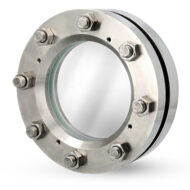
Sight glass ports and fittings help food and beverage manufacturers adhere to stringent quality standards by enabling process observation inside vessels and pipes. Operators can monitor process steps from mixing and blending through cleaning and gauge product characteristics such as color, clarity and consistency with equipment and components designed for sanitary applications.
Designed to be Sanitary and Durable
For more than 25 years we have supplied equipment to hundreds of companies within the food and beverage industry to improve quality or help streamline operations. LJ Star equipment meets ASME-BPE standards for smooth, crevice-free surfaces to discourage bioburdens. All products have electro-polish finish and are suitable for CIP/SIP cleaning.
Available equipment begins with the industry’s strongest available sight glass, or our METAGLAS® fused sight glasses, which reduce the risk of broken glass contaminating the product. It includes accessories such as vibration resistant LED sight glasses to illuminate vessel interiors, FDA compliant gaskets to maintain strict hygienic standards or cameras that allow remote observation.
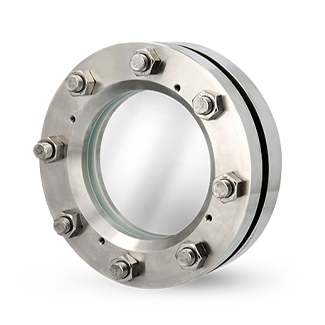
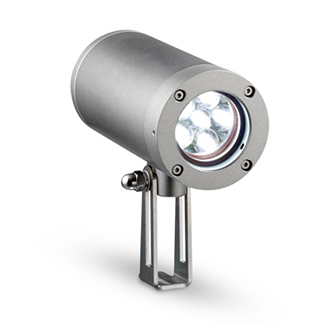
Applications for Process Observation in the Food and Beverage Segment
Sight glasses and sight flow indicators can be successfully installed on mixers, homogenizers, agitators, de-aeration equipment, pasteurization equipment, formulation equipment, blenders, dryers, and brewery and cheese-making equipment.
Observation equipment we supply to the food and beverage industry includes:
- Sight glasses
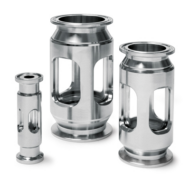
- Flow indicators
- In-line sight glasses
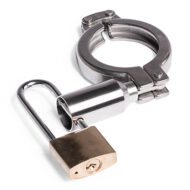
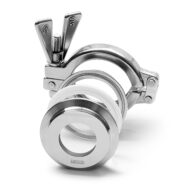
- Stainless sanitary fittings
- LED lighting
- Camera systems
Wiper systems to counteract condensation, frost or spray
We invite you to consult with our team members to help select the most suitable equipment for your application and facility environment.
Our Customers
Solutions for Food & Beverage
The right process observation solution can increase your production efficiency, ensure sanitary compliance and help you deliver a better product. Speak with the industry experts at LJ Star today, so you can see a better tomorrow.
Frequently Asked Questions
Sight Glasses
What is the best sanitary sight glass for dairy processing applications?
The best sanitary sight glass for dairy processing applications is one that combines hygienic design, proven durability and clear visibility under demanding process conditions. In dairy plants, sight glasses must withstand frequent cleaning cycles, temperature fluctuations and pressure while maintaining a smooth, crevice-free surface that supports food safety compliance. LJ Star sanitary sight glasses are engineered specifically for these requirements, with designs that meet ASME-BPE guidelines and support clean-in-place (CIP) and steam-in-place (SIP) processes.
For high-value dairy applications such as whey protein, infant formula and high-protein yogurt, processors benefit from sanitary sight glasses that offer long service life and reliable clarity. METAGLAS® sight glasses, for example, are fused glass-to-metal assemblies designed for extreme pressure and temperature conditions, making them well-suited for critical observation points. When properly specified, a sanitary sight glass helps operators visually confirm product quality, detect buildup early and verify cleaning effectiveness without opening the system—protecting both product integrity and uptime.
What’s more, sight glasses designed for extreme temperature and pressure are safer for workers and avoid the risk of broken glass entering the process.
Which sight glass materials are FDA-compliant for milk and dairy production?
FDA-compliant sight glass materials for milk and dairy production must be non-reactive, non-toxic and suitable for repeated contact with food products and cleaning chemicals. Common FDA-accepted materials include borosilicate glass, toughened soda-lime glass and specific gasket and seal materials such as FDA-approved elastomers.
Borosilicate glass is widely used in dairy sight glasses because of its chemical resistance, thermal stability and optical clarity. Toughened glass may also be used in less demanding conditions, provided it meets applicable food-contact and safety requirements. Equally important are the metal housings and seals that surround the glass. Stainless steel housings and FDA-compliant gaskets help ensure the entire assembly supports hygienic operation. LJ Star focuses on complete sanitary sight glass solutions, with material traceability and documentation that support regulatory compliance in dairy and food processing environments.
How do sanitary sight glasses withstand CIP and SIP cleaning in dairy plants?
Sanitary sight glasses withstand CIP and SIP cleaning through material selection, hygienic design and robust construction. In dairy plants, CIP cycles expose components to aggressive cleaning chemicals, while SIP subjects them to repeated steam sterilization at elevated temperatures. Sight glasses must tolerate both without cracking, clouding or leaking.
High-quality sanitary sight glasses use glass types with low thermal expansion and strong resistance to chemical attack. Designs with smooth internal surfaces and minimal crevices prevent product residue from accumulating and allow cleaning solutions to flow freely. LJ Star sanitary sight glasses are designed to remain sealed and optically clear through repeated CIP and SIP cycles, giving operators confidence that what they see truly reflects process conditions. This durability supports faster changeovers, reliable cleaning validation and consistent product quality in demanding dairy operations.
Sight glasses like METAGLASS® use borosilicate glass with a low coefficient of thermal expansion. They are less vulnerable to thermal shock and extreme temperature changes caused by thermal cycling. Also, their unique construction gives them exceptional strength. METAGLASS safety sight windows provide a safe work environment and avoid the risk of broken glass entering the process.
Where should sanitary sight glasses be installed in dairy processing lines?
Sanitary sight glasses should be installed at critical control and observation points throughout the dairy processing line where visual confirmation adds the most value. Common locations include pasteurizers, homogenizers, evaporators, spray dryers, fermentation vessels and CIP return lines. These are areas where early detection of buildup, foaming, separation, or incomplete cleaning can prevent quality losses and downtime.
In high-value dairy applications, sight glasses are often positioned at transitions between process stages and during changeovers, when visual verification is essential. Proper placement allows operators to confirm product flow, monitor process conditions and validate cleaning effectiveness without opening the system. LJ Star takes a consultative approach to help processors determine optimal sight glass locations, treating process visibility as an integrated system rather than a collection of individual components.
What is the difference between borosilicate and toughened glass for dairy sight glass?
The difference between borosilicate and toughened glass for dairy sight glass applications lies primarily in thermal performance, chemical resistance and durability under cleaning conditions. Borosilicate glass is engineered to withstand higher temperature differentials and repeated thermal cycling, making it well-suited for CIP and SIP environments common in dairy processing. It also offers excellent resistance to cleaning chemicals and maintains long-term optical clarity.
Toughened glass, typically soda-lime glass that has been heat-treated for strength, can handle moderate pressure and impact but is generally less tolerant of extreme temperature changes. In demanding dairy applications—such as whey protein or infant formula production—borosilicate glass is often preferred for its reliability and longevity. LJ Star helps processors select the appropriate glass type based on process conditions, ensuring safe, compliant and dependable sight glass performance.
How do high-pressure sight glasses improve safety in dairy processing equipment?
High-pressure sight glasses improve safety in dairy processing equipment by allowing operators to visually monitor processes without opening systems that operate under pressure or temperature. In dairy applications such as pasteurization, evaporation and whey protein processing, opening a vessel to inspect conditions introduces risks to both personnel and product integrity. A properly specified high-pressure sight glass provides continuous visual access while maintaining a sealed, hygienic barrier.
LJ Star high-pressure sight glasses, including METAGLAS® fused glass-to-metal designs, are engineered to withstand extreme pressures and temperatures commonly found in modern dairy plants. This robust construction reduces the risk of glass failure, leaks, or sudden release of product or steam. By enabling early detection of issues like buildup, foaming, or flow disruptions, high-pressure sight glasses help prevent unplanned shutdowns and unsafe operating conditions. The result is a safer work environment, improved process control and greater confidence in critical dairy operations.
What standards must dairy sight glasses meet for hygienic and sanitary design?
Dairy sight glasses must meet strict hygienic and sanitary design standards to support food safety, regulatory compliance and efficient cleaning. Key requirements typically include smooth, crevice-free product contact surfaces, materials suitable for food contact and designs that support CIP and SIP processes. In many dairy facilities, components are specified to align with ASME-BPE guidelines and recognized hygienic design principles.
Sanitary sight glasses should be constructed from materials that resist corrosion, chemical attack and thermal stress while maintaining optical clarity. Equally important is full material traceability and documentation to support audits and quality programs. LJ Star sanitary sight glasses are designed with these standards in mind, helping dairy processors meet internal quality expectations and external regulatory requirements while maintaining reliable process visibility in demanding environments.
How do dairy processors prevent contamination when using sight glasses and ports?
Dairy processors prevent contamination when using sight glasses and ports by selecting hygienically designed components and integrating them properly into closed processing systems. Sanitary sight glasses are engineered to eliminate dead legs, gaps and crevices where product residue or bacteria could accumulate. Smooth internal surfaces allow CIP and SIP solutions to clean the glass and surrounding hardware as effectively as the rest of the system.
Proper installation is also critical. Sight glasses should be located where they can be fully cleaned and drained and sealed with FDA-compliant gasket materials. LJ Star supports dairy processors with sanitary sight glass designs that maintain system integrity while providing clear visual confirmation of product flow, process conditions and cleaning effectiveness—reducing the need for manual intervention and lowering contamination risk.
What gasket materials are recommended for sanitary sight glasses in dairy applications?
Recommended gasket materials for sanitary sight glasses in dairy applications are those that are FDA-compliant, chemically resistant and capable of withstanding repeated CIP and SIP cycles. Common choices include EPDM, silicone and PTFE-based materials, each selected based on temperature range, chemical exposure and process requirements.
The gasket plays a critical role in maintaining a hygienic seal between the glass and the housing. An improperly specified gasket can degrade over time, leading to leaks or contamination risks. LJ Star emphasizes complete sanitary assemblies, ensuring that both the sight glass and gasket materials are compatible with dairy processes and cleaning regimes. Proper gasket selection helps extend service life, maintain system integrity and support consistent food safety performance.
How long do sanitary sight glasses last in dairy processing environments?
The service life of sanitary sight glasses in dairy processing environments depends on operating conditions, cleaning frequency and material selection. In well-specified applications, high-quality sanitary sight glasses can provide many years of reliable service, even under frequent CIP and SIP cycles. Factors such as pressure, temperature fluctuations and exposure to aggressive cleaning chemicals all influence longevity.
Durable designs using borosilicate glass and fused glass-to-metal constructions are particularly well suited for demanding dairy applications. LJ Star sanitary sight glasses are engineered for long-term reliability, helping processors reduce maintenance frequency and avoid unexpected failures. With proper specification and installation, sanitary sight glasses become a long-lasting component of an integrated process visibility strategy in dairy operations.
Lighting
Can sight glass lighting withstand CIP and SIP cleaning in dairy processing?
Yes, properly specified sight glass lighting can withstand CIP and SIP cleaning in dairy processing environments. Dairy plants subject equipment to frequent washdowns, aggressive chemicals and high-temperature steam sterilization, so lighting must be engineered for these conditions. LJ Star sight glass lighting solutions are designed with sealed housings, smooth external surfaces and materials compatible with CIP and SIP cycles.
High-quality LED sight-glass lights, like those in the LumiStar® line, are mounted externally to the process, protecting electrical components from direct product contact while still delivering bright, focused illumination through the sight glass. This design allows operators to maintain full visibility during processing and cleaning without removing or shielding the light. The result is reliable performance, reduced maintenance and consistent visibility through repeated cleaning cycles—critical for hygienic dairy operations.
Where should sight glass lights be installed for optimal dairy process observation?
Sight glass lights should be installed at critical observation points where visual confirmation supports quality, safety and efficiency. In dairy processing, these locations often include pasteurizers, fermenters, evaporators, spray dryers, storage tanks and CIP return lines. Proper positioning ensures uniform illumination across the viewing area, eliminating shadows and glare that can obscure process conditions.
LJ Star sight glass lights are typically mounted directly to the sight glass assembly, aligning the light source with the operator’s viewing angle. This configuration provides consistent lighting regardless of ambient conditions and allows operators to clearly see product flow, color, foam, or buildup. Strategic placement turns sight glasses into reliable process control tools rather than occasional inspection windows.
How do explosion-resistant sight glass lights improve safety in dairy facilities?
Explosion-resistant sight glass lights improve safety by reducing ignition risks in dairy facilities where combustible dusts or volatile cleaning agents may be present. While dairy is not traditionally considered a hazardous industry, certain operations—such as powder handling, whey drying, or alcohol-based cleaning—can introduce flammable conditions.
Explosion-resistant lighting is designed with reinforced housings and sealed electrical components that prevent sparks or heat from escaping into the surrounding environment. When paired with sanitary sight glasses, these lights allow safe visual monitoring without compromising facility safety protocols. LJ Star offers robust lighting options that support both hygienic design and enhanced safety, helping dairy processors protect personnel, equipment and product.
What ingress protection (IP) rating is required for dairy sight glass lighting?
Dairy sight glass lighting typically requires a high ingress protection (IP) rating to withstand washdowns, moisture and cleaning chemicals. In most dairy environments, lights with IP65 or higher are recommended, with many applications benefiting from IP66 or IP67 ratings. These ratings indicate protection against water jets and, in some cases, temporary immersion.
A high IP rating ensures that cleaning fluids cannot penetrate the light housing, protecting internal electronics and maintaining reliable operation. LJ Star sight glass lights are designed for demanding hygienic environments, supporting frequent washdowns while delivering consistent illumination for critical process observation.
How does internal vessel lighting help prevent quality issues in dairy processing?
Internal vessel lighting helps prevent quality issues by giving operators clear visual insight into conditions that might otherwise go unnoticed. In closed dairy systems, problems such as product buildup, incomplete mixing, foam formation, or residue after cleaning can compromise quality and lead to batch losses.
When combined with sanitary sight glasses, internal or directed lighting highlights subtle visual cues like color changes or surface deposits. This early detection allows operators to intervene before small issues escalate. LJ Star lighting solutions support proactive quality control, helping dairy processors maintain consistency, reduce waste and protect high-value products.
What are the benefits of combining sight glasses with integrated lighting in dairy applications?
Combining sight glasses with integrated lighting transforms basic observation ports into powerful process visibility tools. Integrated lighting ensures consistent illumination regardless of ambient plant conditions, eliminating shadows and reflections that reduce clarity.
For dairy processors, this combination supports faster decision-making during processing, changeovers and CIP verification. Operators can clearly confirm product presence, flow and cleanliness without opening the system. LJ Star specializes in integrated visibility solutions that pair sanitary sight glasses with purpose-built lighting, helping dairy plants improve efficiency, reduce downtime and maintain strict quality standards.
What is the best sight glass lighting for dairy processing applications?
The best sight glass lighting for dairy processing applications is LED-based, hygienically designed and built for washdown environments. LED sight glass lights provide bright, uniform illumination with minimal heat transfer to the product, making them ideal for food and dairy processes.
LJ Star LumiStar® LED sight glass lights are engineered for long service life and compatibility with sanitary sight glasses, including METAGLAS® assemblies. They support CIP and SIP environments while delivering clear visibility at critical process points. Properly specified lighting enhances observation, improves safety and supports consistent product quality in demanding dairy operations.
Why is LED sight glass lighting used in dairy tanks and vessels?
LED sight glass lighting is used in dairy tanks and vessels because it combines efficiency, durability and hygienic performance. LEDs transfer less heat than traditional lighting, reducing the risk of thermal stress on glass and seals. They also offer long operational life, minimizing maintenance in hard-to-access areas.
In dairy processing, reliable lighting is essential for monitoring closed systems. LJ Star LumiStar® LED sight-glass lights provide consistent brightness through repeated cleaning cycles, helping operators clearly observe process conditions without disrupting production or sanitation routines.
How does sight glass lighting improve process visibility in dairy production?
Sight glass lighting improves process visibility by illuminating the exact area operators need to see inside closed dairy systems. Without dedicated lighting, the view into sight glasses can appear dark or reflective, limiting their usefulness.
Integrated lighting enhances contrast and clarity, making it easier to identify flow patterns, foam, buildup, or cleaning effectiveness. In high-value dairy applications, this improved visibility supports early problem detection and confident decision-making. LJ Star lighting solutions are designed to maximize the value of sight glasses as active process monitoring tools.
What sanitary standards must sight glass lights meet in dairy plants?
Sight glass lights used in dairy plants must meet sanitary design principles that support food safety and effective cleaning. This includes smooth, cleanable external surfaces, sealed housings and materials suitable for washdown environments. While the light itself is external to the product, it must not introduce contamination risks or cleaning challenges.
LJ Star sight glass lighting solutions are designed to complement sanitary sight glasses and align with hygienic design expectations common in dairy processing. By meeting these standards, sight glass lights help maintain compliance, support CIP and SIP processes and ensure reliable visibility in demanding dairy environments.
Cameras
What type of cameras are used for process observation in dairy processing?
Dairy processors use sanitary process observation cameras specifically designed for hygienic, washdown and high-temperature environments. These cameras are engineered for closed processing systems where direct visual access is limited, such as tanks, vessels, dryers and evaporators. Unlike standard industrial cameras, dairy process cameras feature sealed housings, food-safe materials and designs that support frequent cleaning.
LJ Star process observation cameras are built for real-time monitoring inside demanding dairy applications, including whey, protein powders and fermentation. When integrated with sanitary sight glasses, cameras provide continuous visibility without opening the system—supporting both food safety and operational efficiency.
How do sanitary process cameras help monitor dairy production in real time?
Sanitary process cameras help monitor dairy production in real time by delivering continuous visual feedback from inside closed systems. Operators can observe flow behavior, mixing, foaming, buildup, or discharge without interrupting production. This real-time insight allows faster decision-making and reduces reliance on indirect measurements alone.
In high-value dairy operations, LJ Star process cameras help teams identify developing issues early—before they result in quality deviations or batch losses. The ability to see conditions as they occur improves consistency, supports documentation and strengthens overall process control.
Can process observation cameras be used during CIP and SIP cycles in dairy plants?
Yes, properly specified process observation cameras can be used during CIP and SIP cycles in dairy plants. Cameras designed for hygienic environments are built with sealed housings and materials capable of withstanding high temperatures, moisture and cleaning chemicals.
LJ Star sanitary cameras allow operators to visually confirm cleaning effectiveness during CIP and validate system readiness before the next batch. This capability reduces uncertainty during changeovers and supports faster restarts without compromising sanitation or safety.
What hygienic design standards must dairy process cameras meet?
Dairy process cameras must meet hygienic design principles that support food safety, cleanability and regulatory compliance. This includes smooth, cleanable external surfaces, sealed construction, corrosion-resistant materials and compatibility with CIP and SIP processes.
While cameras are typically external to the product, their design must not introduce contamination risks or cleaning challenges. LJ Star process cameras are engineered to complement sanitary sight glasses and align with hygienic expectations common in dairy and food processing facilities.
Where should process cameras be installed in dairy tanks and vessels?
Process cameras should be installed at critical observation points where visual insight provides the greatest value. In dairy tanks and vessels, this often includes areas where product enters or exits, mixing zones, spray patterns, fermentation activity and CIP coverage areas.
When paired with sanitary sight glasses and lighting, cameras are positioned over sight glasses to provide optimal viewing angles while remaining outside the process environment. LJ Star works with processors to determine camera placement that supports quality monitoring, cleaning verification and safe operation.
How do in-vessel cameras improve quality control in dairy processing?
In-vessel cameras improve quality control by allowing operators to visually verify conditions that directly impact product consistency. Issues such as uneven mixing, foaming, residue buildup, or incomplete discharge can be detected early through continuous observation.
This visual confirmation is especially valuable in high-protein, whey and infant formula production, where quality standards are exceptionally high. LJ Star process cameras support proactive quality control by turning closed vessels into observable systems.
Are explosion-resistant cameras required for certain dairy processing areas?
Explosion-resistant cameras may be required in certain dairy processing areas where combustible dusts, powders, or volatile cleaning agents are present. Applications such as whey powder drying or powder handling can introduce conditions that warrant additional safety precautions.
Explosion-resistant camera designs help prevent ignition risks while still providing critical visual monitoring. LJ Star offers robust process observation solutions that balance hygienic design with enhanced safety in sensitive dairy environments.
What temperature and pressure limits should dairy process cameras withstand?
Dairy process cameras must withstand the temperatures and pressures associated with processing and cleaning cycles. This often includes elevated temperatures during SIP and pressure variations during processing or CIP circulation.
Cameras used with sanitary sight glasses are selected to match the process conditions at each observation point. LJ Star focuses on specifying camera solutions that remain reliable and clear under demanding dairy operating conditions, supporting long-term performance and safety.
How do process cameras reduce downtime and product loss in dairy facilities?
Process cameras reduce downtime and product loss by enabling early detection of issues before they escalate. Visual monitoring allows operators to spot buildup, flow disruptions, clogor cleaning failures in real time, preventing small problems from turning into extended shutdowns or batch losses.
By reducing guesswork and manual inspections, LJ Star process cameras help dairy facilities maintain throughput while protecting product quality—especially during changeovers and high-demand production periods.
What are the benefits of integrating process cameras with sight glasses in dairy applications?
Integrating process cameras with sight glasses combines direct visual access with continuous remote monitoring. Sight glasses provide a physical window into the process, while cameras extend that visibility to control rooms, multiple operators and documentation systems.
This integrated approach improves safety, reduces manual intervention and supports better decision-making across dairy operations. LJ Star specializes in system-level visibility solutions that combine sanitary sight glasses, lighting and cameras to help dairy processors see more, respond faster and operate with confidence.
Sanitary Relief Valves
Why are hygienic pressure relief valves required in dairy processing systems?
Hygienic pressure relief valves are required in dairy processing systems to protect equipment, personnel and product integrity during overpressure events. Dairy processes involve closed vessels, thermal expansion and rapid pressure changes during heating, cooling, CIP and SIP cycles. Without a properly designed relief device, excess pressure can damage tanks, compromise seals, or create unsafe operating conditions.
In dairy applications, relief valves must do more than protect against pressure—they must do so without introducing contamination risks. Hygienic pressure-relief valves from LJ Star are designed to maintain a sealed, sanitary boundary while safely venting excess pressure. This ensures regulatory compliance, protects high-value dairy products and supports safe, uninterrupted operation.
What hygienic design standards must sanitary safety relief valves meet in dairy plants?
Sanitary safety relief valves used in dairy plants must meet hygienic design principles that support food safety, cleanability and regulatory compliance. This includes smooth, crevice-free product contact surfaces, drainable designs and materials suitable for food contact. Many dairy facilities specify components that align with recognized hygienic standards such as 3-A Sanitary Standards and ASME-BPE guidelines.
LJ Star hygienic pressure relief valves are designed with these requirements in mind, helping dairy processors meet internal quality standards and external audit expectations while maintaining reliable pressure protection.
How do hygienic pressure relief valves support 3-A and sanitary compliance in dairy processing?
Hygienic pressure relief valves support 3-A and sanitary compliance by ensuring that pressure protection does not compromise cleanability or product safety. Valves designed for hygienic service eliminate dead legs and product traps that could harbor bacteria or residues.
During normal operation and cleaning cycles, a properly specified hygienic relief valve remains fully cleanable as part of the closed system. LJ Star focuses on hygienic designs that integrate seamlessly into dairy processes, supporting compliance efforts while delivering dependable pressure protection.
Where should hygienic safety relief valves be installed on dairy tanks and process vessels?
Hygienic safety relief valves should be installed at locations where overpressure is most likely to occur and where the valve can be effectively cleaned. In dairy tanks and process vessels, this often includes the top of tanks, vapor spaces, or other points specified by equipment design and applicable codes.
Proper placement ensures accurate pressure relief performance and full exposure to CIP and SIP cleaning. LJ Star works with dairy processors to help ensure relief valves are installed in locations that support safety, hygiene and regulatory compliance.
How do sanitary pressure relief valves prevent contamination during overpressure events?
Sanitary pressure relief valves prevent contamination by maintaining a hygienic seal and controlled discharge path even during an overpressure event. Unlike non-hygienic devices, sanitary valves are designed to avoid exposing product-contact surfaces to the environment.
This design protects the process from airborne contaminants while safely relieving pressure. LJ Star hygienic relief valves help dairy processors manage abnormal conditions without sacrificing food safety or requiring extensive post-event cleaning.
What materials are acceptable for hygienic pressure relief valves in dairy applications?
Acceptable materials for hygienic pressure relief valves in dairy applications include corrosion-resistant stainless steels and FDA-compliant elastomers. These materials must withstand dairy products, cleaning chemicals and repeated thermal cycling without degrading or contaminating the process.
Material traceability and documentation are also important for audits and quality programs. LJ Star offers hygienic valves built from materials suitable for demanding dairy environments and long-term reliable service.
Can hygienic safety relief valves be fully cleaned during CIP and SIP cycles?
Yes, hygienic safety relief valves can be fully cleaned during CIP and SIP cycles when they are properly designed and installed. Hygienic valves are engineered to allow cleaning solutions and steam to reach all product-contact surfaces, preventing residue buildup or microbial growth.
This cleanability is essential in dairy processing, where frequent changeovers and strict sanitation requirements are the norm. LJ Star hygienic relief valves support efficient cleaning validation and faster returns to production.
What is the difference between hygienic safety relief valves and rupture disks in dairy processing?
The primary difference between hygienic safety relief valves and rupture disks in dairy processing lies in functionality and reusability. Hygienic safety relief valves are mechanical devices that open and close as needed to relieve pressure and then reseat for continued operation.
Rupture disks are single-use devices that burst at a predetermined pressure and must be replaced after activation. In dairy applications, hygienic relief valves are often preferred for processes requiring frequent pressure protection and cleanability, while rupture disks may be used in specific, code-driven scenarios.
How often should hygienic pressure relief valves be inspected to maintain dairy compliance?
Hygienic pressure relief valves should be inspected on a regular schedule based on process conditions, regulatory requirements and internal quality programs. Inspections help verify that the valve is operating correctly, remains cleanable and maintains proper set pressure.
Routine inspection supports compliance, reduces risk of failure and helps avoid unplanned downtime. LJ Star encourages proactive maintenance practices to ensure long-term safety and reliability in dairy processing systems.
How do hygienic, code-compliant relief valves improve safety, uptime and audit readiness in dairy facilities?
Hygienic, code-compliant relief valves improve safety by protecting equipment and personnel from overpressure while maintaining sanitary integrity. Their hygienic design reduces contamination risk, even during abnormal events and supports effective CIP and SIP cleaning.
From an operational standpoint, reliable relief valves help prevent equipment damage and unplanned shutdowns, improving overall uptime. They also simplify audits by providing documented compliance with hygienic and pressure safety requirements. LJ Star hygienic relief valves help dairy processors operate safely, efficiently and with confidence in today’s highly regulated environment.