


Whether the maintenance team is stretched thin or just doesn’t conduct routine and regular inspections, sight glass systems rarely fail without warning. In one notable example, a plant was running approximately 20 sight glasses well past their recommended service intervals. Budget pressures led the team to focus on replacing gaskets alone, while ignoring visible chemical etching and minor cracking on the glass itself. The result: an operator could no longer reliably read tank level through the degraded sight glass.
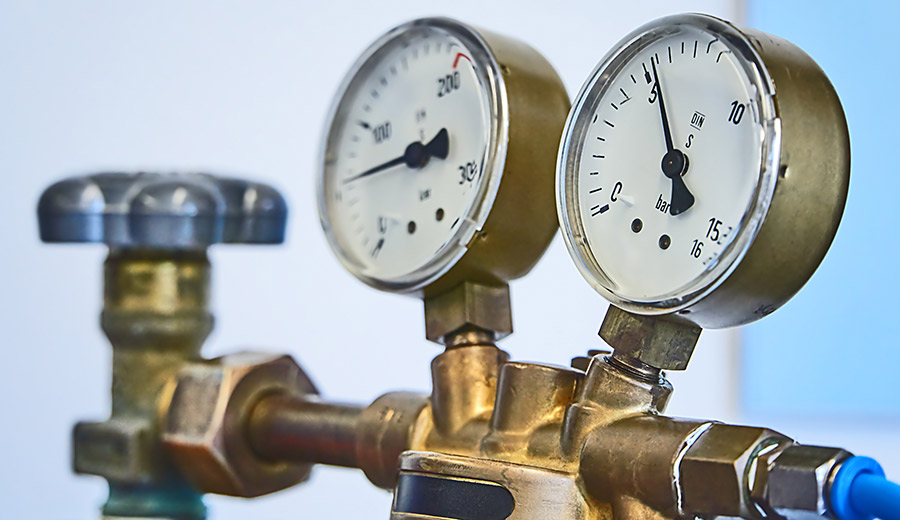
When customers call LJ Star asking for a sight glass “rated for full vacuum,” it’s one of the most common yet most misunderstood queries we receive. Like a pressure rating stamped on a vessel, the term “full vacuum” can look definitive on paper while telling only part of the story. In fact, it often acts as the gateway to a more nuanced conversation about what’s actually happening in a process system and what’s truly required to keep it running safely and efficiently.
Here’s what you need to understand about vacuum service, full vacuum and how to specify a sight glass that genuinely meets your process needs.