

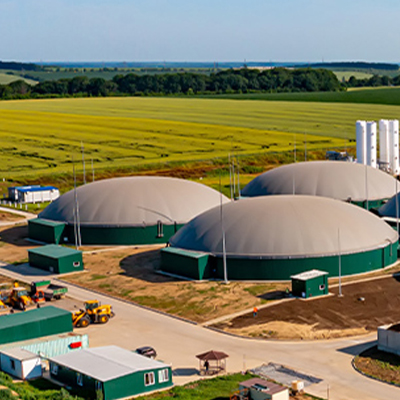
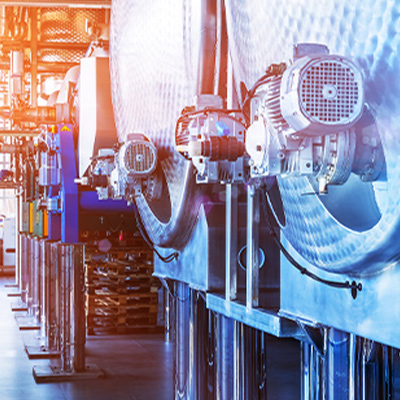
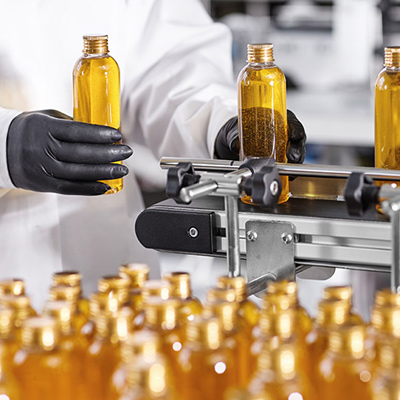
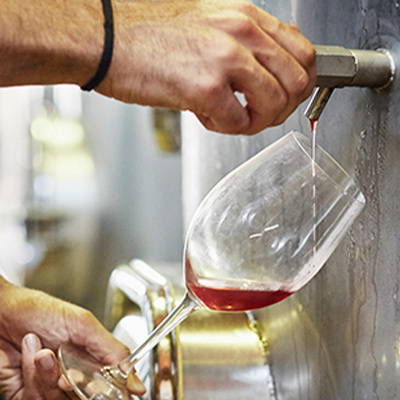
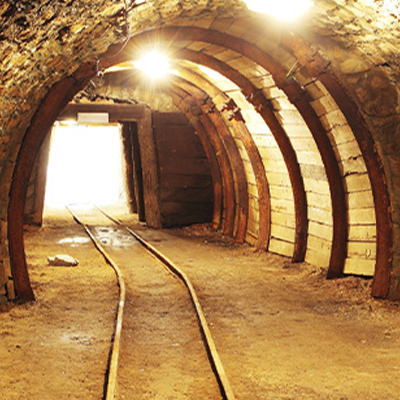
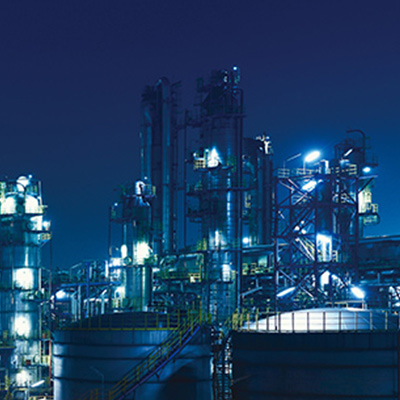
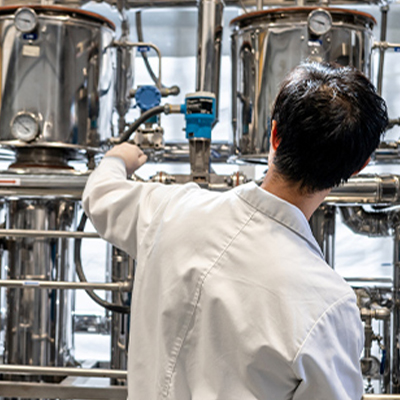
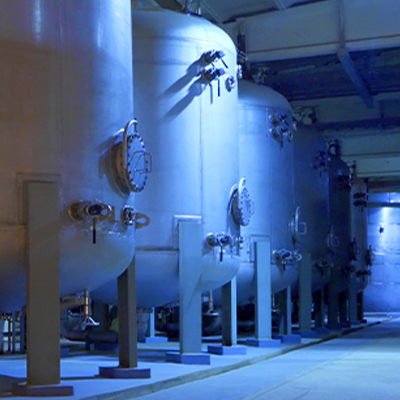
Many of the products and services we enjoy depend on sight glasses at some point in their creation. Sight glass process observation is commonly used in industries such as chemical processing, pharmaceuticals, mining, cannabis oil extraction, biomas, food and beverage, and oil and gas.
Whether for witnessing mixing, verifying flow, observing reactions, and documenting cleaning in material processing, mining, utilities, or food and beverage industries, the need for fool-proof process observation depends on sight glass windows, sight glass flow indicators, lights, and allied products from LJ Star.
Overall, sight glass observation industries play a critical role in ensuring the safe and efficient operation of industrial processes by providing high-quality sight glasses that enable visual inspection and monitoring of critical.
Our Customers















Frequently Asked Questions
What is process observation in manufacturing?
Process observation in manufacturing is the visual inspection of production operations inside reactors, pipelines and vessels while the process is running. It allows operators to see conditions such as flow, color, clarity, foaming and mixing behavior in real time—without halting production or opening equipment. This visibility is critical for maintaining product quality, ensuring safety and identifying potential issues before they escalate.
To support these needs, LJ Star delivers superior solutions for process observation, including sight glasses, sight flow indicators, process vessel cameras and process vessel lights that provide operators with clear, reliable views into their manufacturing processes.
What industrial processes require observation?
Many industrial processes rely on visual observation to confirm proper operation such as watching for separation during emulsification or confirming clarity during filtration. These industrial processes include mixing and blending, fermentation, filtration, reactor control and sterile filling. Any industry that relies on tanks or process vessels uses process observation to maintain consistent quality and compliance, such as pharmaceutical, biotechnology, food and beverage, chemical processing and cosmetics, while also including biogas, mining and even wastewater and utilities.
LJ Star serves these industries and more with hygienic-grade visual flow components and ASME- and BPE Compliant sight glasses designed to perform under demanding sanitary and industrial conditions.
How does process observation improve process safety?
Visual process observation allows operators to detect leaks, contamination, foaming or improper flow before they become hazards. For instance, visible foaming can alert operators to adjust controls to add an inhibitor. It adds an extra layer of protection beyond sensors, helping
prevent overpressure events, vessel damage or product loss. By making what’s happening inside a vessel visible, facilities can act quickly and confidently.
LJ Star enhances process safety with pressure-rated sight glasses, shatter-resistant METAGLAS® sight glass windows and illumination systems that provide crystal-clear visibility even in challenging environments.
What’s the difference between process observation and process monitoring?
Process observation and process monitoring are complementary but distinct. Observation refers to direct, visual verification—using a sight glass or camera to see the process itself. Monitoring, on the other hand, involves using sensors and instruments to measure parameters such as temperature, pressure or flow rate. Together, these methods provide a complete picture of process conditions.
LJ Star integrates both approaches by offering sight glasses, vessel lighting, and industrial camera systems, helping manufacturers combine visual inspection with automated monitoring for maximum insight and control.
Why are sight glasses important for process observation?
Sight glasses are essential components that provide a safe, sealed window into process systems. They allow operators to view fluid movement, reactions and vessel conditions without breaking containment or risking contamination. Most importantly, sight glass observation ports can protect staff and equipment, allowing product monitoring without opening equipment or interrupting production. A well-designed sight glass must withstand pressure, temperature, and chemical exposure while maintaining clarity and strength.
LJ Star is recognized as a global leader in sight glass technology, offering a wide range of styles—from borosilicate-glass METAGLAS® assemblies to sterile visual flow indicators—that provide unmatched visibility, durability and safety across many industries.
What equipment is used for process observation in sanitary industries?
Sanitary industries like pharmaceutical, food and beverage manufacturing depend on specialized observation equipment designed for clean-in-place (CIP) and sterilize-in-place (SIP) systems. Common equipment includes sight glasses, sight flow indicators, vessel lights, sanitary fittings and, increasingly, camera systems for remote or automated inspection.
LJ Star provides complete sanitary process observation solutions built to FDA, and ASME-BPE standards, ensuring safety, reliability, and compliance in high-purity environments.
How can lighting improve process observation?
Lighting is a critical component of effective process observation. Without proper illumination, even a high-quality sight glass may not provide adequate visibility—especially in large vessels, opaque liquids or low-light conditions. Process vessel lights allow operators to clearly observe color, flow and phase changes for better decision-making.
LJ Star offers LumiStar® non-explosive and Lumiglas® explosive LED process lights that deliver bright, uniform illumination for optimal visibility through sight glasses, improving accuracy and operator confidence during inspections.
What are the benefits of visual process observation?
Visual process observation gives operators direct insight into what’s happening inside process systems. It helps confirm that cleaning cycles are complete, mixing is uniform, or products are free of contamination. This direct visual confirmation improves quality assurance, minimizes downtime, and supports faster troubleshooting.
LJ Star enables these benefits with high-performance sight glasses, process lights, cameras and indicators that combine proven reliability, clarity and compliance—helping manufacturers maintain control over every stage of production.
How does process observation support process optimization?
Process optimization relies on understanding how products behave inside vessels and pipelines. Visual observation provides understanding in real time—helping engineers fine-tune agitation speed, temperature or ingredient ratios for higher yields and more consistent results. Observation also helps validate equipment performance and identify inefficiencies.
LJ Star supports optimization efforts through precision-engineered process observation equipment, giving manufacturers the tools to monitor, adjust and perfect their processes safely and efficiently.
What standards apply to process observation equipment (ASME, FDA)?
Process observation components must comply with strict industry standards to ensure safety and product integrity. ASME standards govern pressure vessel design and structural integrity to prevent failures under operating conditions. FDA requirements ensure material compatibility, cleanliness and traceability to protect product purity and consumer safety.
LJ Star products are built to meet or exceed these standards, backed by full material traceability, third-party certifications, and documentation that supports validation and regulatory compliance.
How can I choose the right sight glass for process observation?
Selecting the right sight glass depends on process conditions such as pressure, temperature, chemical compatibility and sanitary requirements. Engineers should also consider viewing area size, light availability and whether the application requires a fused-glass or clamp-mounted design.
LJ Star helps customers make informed choices through expert consultation, detailed resources like the Sight Glass Application Handbook, and a full line of ASME- and BPE-compliant sight glass assemblies suited to nearly any process environment.
What does process optimization mean in manufacturing?
Process optimization in manufacturing is the systematic improvement of production operations to achieve better efficiency, quality and consistency while reducing waste and costs. It involves analyzing current processes, identifying bottlenecks or inefficiencies and implementing changes that enhance performance. Optimization can focus on various aspects including cycle times, material usage, energy consumption, throughput and product quality, while maintaining safety and compliance standards.
LJ Star supports process optimization efforts by providing precision observation equipment that gives manufacturers the real-time visual data needed to understand, monitor and refine their production processes.
What are the main goals of process optimization?
Process optimization in manufacturing is driven by multiple interconnected objectives that work together to improve overall operational performance. The primary goals of process optimization include:
- Maximizing product quality and consistency
- Reducing production costs and waste
- Improving throughput and cycle times
- Enhancing worker safety
- Ensuring regulatory compliance
- Minimizing downtime and extending equipment lifespan
- Reducing energy consumption
- Increasing overall operational efficiency
Ultimately, optimization aims to produce the highest quality product in the most efficient, cost-effective and sustainable manner possible. LJ Star helps manufacturers achieve these optimization goals through sight glasses, process lights and camera systems that provide the visibility needed to make informed adjustments and validate process improvements.
What are the 4 stages of process optimization?
The four stages of process optimization typically include:
- Assessment – Establish baseline performance by measuring current outputs, identifying pain points and setting improvement targets
- Analysis – Examine data, map workflows and determine root causes of inefficiencies
- Implementation – Execute the testing and deployment of changes, such as adjusting parameters or upgrading equipment
- Monitoring – Ensure improvements are sustained through continuous tracking, measurement and refinement of the optimized process
LJ Star’s process optimization equipment plays a critical role throughout all four stages, providing the visual verification needed to assess conditions, analyze behaviors, validate changes and monitor ongoing performance.
What is the PDCA (Plan, Do, Study and Act) cycle?
The PDCA cycle—Plan, Do, Study, Act—is a continuous improvement methodology used widely in process optimization. The four phases work together as follows:
- Plan – Teams identify opportunities for improvement, set clear objectives and develop strategies to address inefficiencies or enhance performance based on data analysis and process understanding.
- Do – The planned changes are implemented on a small scale or pilot basis, allowing teams to test improvements in a controlled environment before committing to full-scale deployment.
- Study – Results are carefully measured and analyzed to determine whether the changes achieved the desired outcomes, comparing actual performance against predicted results and identifying any unexpected effects.
- Act – Successful improvements are standardized and rolled out more broadly across operations, or if results weren’t satisfactory, the cycle repeats with adjusted approaches based on lessons learned.
LJ Star optimization equipment supports the PDCA cycle by enabling operators to visually study process behaviors during testing phases and verify that optimized processes continue performing as intended during full-scale implementation.
How do process observation and optimization work together?
Process observation and optimization are deeply interconnected—observation provides the real-time visual information that drives effective optimization decisions. Before improvements can be made, operators must understand current process conditions through direct observation of mixing patterns, flow rates, color changes, or phase separations. During optimization trials, visual confirmation helps validate whether adjustments are producing desired effects. After implementation, ongoing observation ensures optimized processes remain stable and continue delivering expected results.
LJ Star bridges observation and optimization by offering sight glasses, illumination systems and camera solutions that give manufacturers clear, reliable visibility into their processes, to turn visual data into actionable insights for continuous improvement.
Why is process visibility important for optimization?
Process visibility is fundamental to optimization because you cannot improve what you cannot see or measure. Visual access into vessels, reactors and pipelines reveals how materials actually behave under different conditions—information that sensors and instruments alone may not capture. Visibility helps identify subtle issues like incomplete mixing, unwanted foam formation, or premature phase separation that directly impact product quality. It also allows operators to confirm that optimization changes are working as intended and catch deviations early before they affect output.
LJ Star delivers superior process visibility through high-clarity sight glasses, powerful LED lighting systems and advanced camera technology. This gives process optimization teams the visual tools they need to make confident, data-driven improvements.
What tools are used for process optimization?
Process optimization relies on a combination of measurement instruments, data analytics software, process control systems and visual observation equipment. Common tools include flow meters, temperature and pressure sensors, pH probes, spectroscopy equipment and statistical process control (SPC) software. Visual tools such as sight glasses, cameras and process lights complement sensor data by providing direct confirmation of process conditions. Many facilities also use process simulation software, lean manufacturing methodologies and Six Sigma statistical approaches to guide optimization efforts.
LJ Star’s sight glasses, LumiStar® and Lumiglas® lighting systems and industrial camera solutions serve as essential visual tools in the optimization toolkit, enabling operators to verify sensor readings and observe process behaviors that instruments cannot measure.
How can sight glasses help with process optimization?
Sight glasses are invaluable for process optimization because they provide direct, real-time visual access to process conditions that influence product quality and efficiency. Through sight glasses, operators can observe mixing effectiveness, monitor phase separations, detect foam formation, confirm flow patterns and verify cleaning completeness—all critical factors when fine-tuning process parameters. Visual observation through sight glasses also helps validate that optimization changes produce intended results, whether adjusting agitation speeds, modifying temperature profiles, or changing ingredient addition sequences.